
The Carry: The Most Honest Test of Real-World Strength
Movement Library · Post 5 of 5
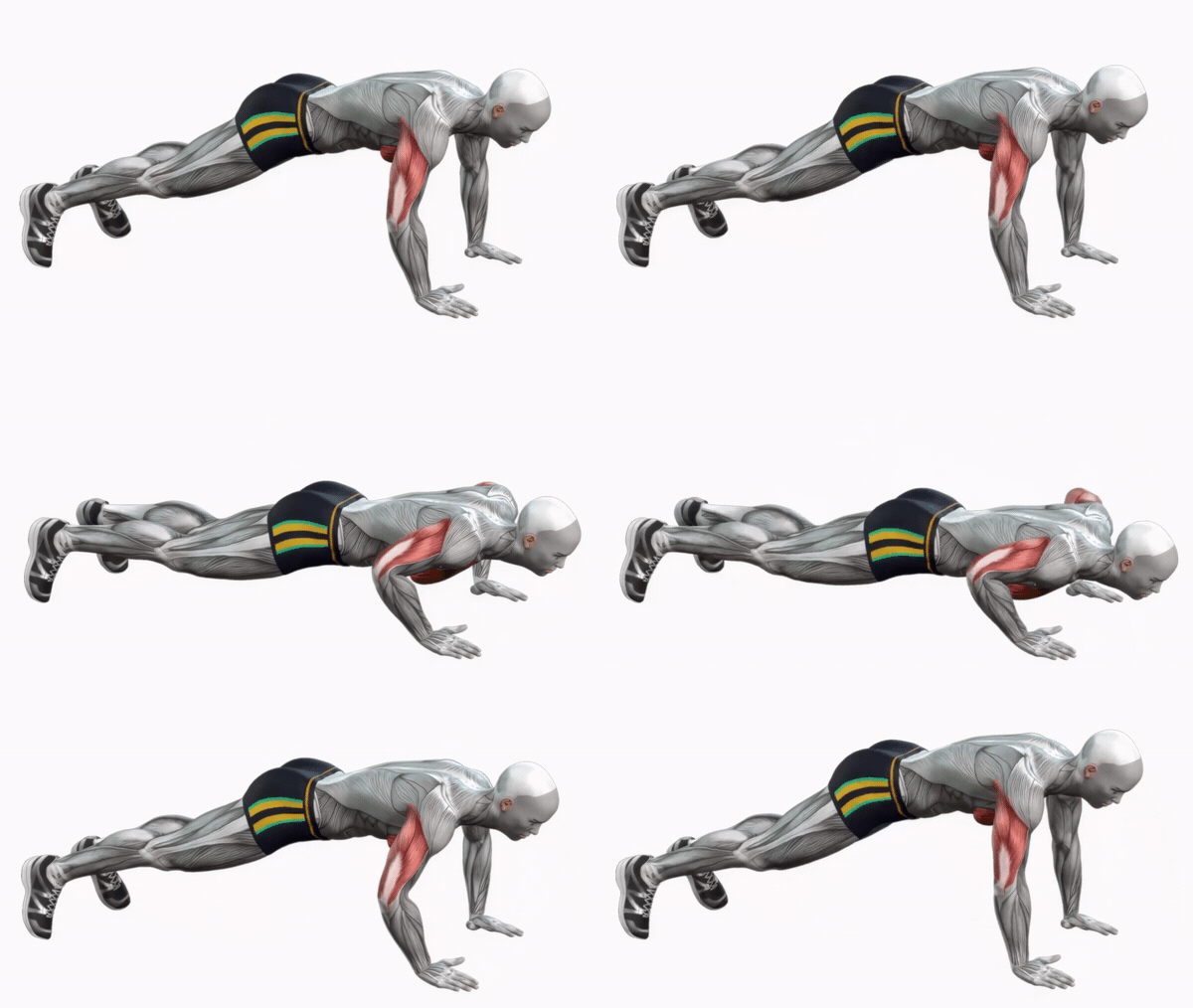
Loaded Carry demonstration showing the muscles worked
Pick something heavy up and walk with it. That's the whole movement — and it might be the most useful thing you can train. Groceries, luggage, a full watering can, a grandkid: the carry is real life, and it asks your whole body to work at once.
This is the fifth and final post in the series on the movements every body should own, at any age. We've built through the squat, hinge, push, and pull — and it all comes together here.
What it is
A carry is exactly what it sounds like: picking something heavy up and walking with it while holding your posture. The farmer's carry (a weight in each hand) and the suitcase carry (weight in one hand, like carrying a bag) are the two you'll use most. Simple to understand, humbling to do well.
Why it matters
The carry is the most honest test of real-world strength there is, because it demands everything at once: grip to hold the load, a braced core to stay stable, posture to stay tall, and whole-body coordination to walk under it. Nothing you can do in a gym carries over to daily life more directly — because it is daily life. Strong carries mean the stairs with the groceries, a suitcase through the airport, and staying steady on your feet stay easy for decades.
How to do it well
Stand tall and pull the weight up with a hinge (there's the hinge again). Then ribs down, shoulders back, and squeeze the handles like you're trying to leave fingerprints. Take smooth, controlled steps — walk normally, don't rush — and keep your body from leaning or twisting toward the weight. Breathe. The whole job is to stay tall and solid from the first step to the last.
The cue that holds it all together: own your posture the whole walk. The moment you let it slump, the exercise stops working the way it should.
The most common mistake
The usual breakdown is leaning away from the weight or letting the shoulders round as you get tired. With a suitcase carry especially, it's tempting to lean sideways to counter the load — don't. Stay stacked and upright, keep both shoulders level, and stop the set when your posture starts to go, not when your grip finally quits.
Where to start
The beauty of the carry is that you already have everything you need: a couple of dumbbells, kettlebells, or even two heavy bags. Start with a weight you can hold with good posture for 20–30 seconds, and build from there. How much, how far, and which version is right depends on your grip, your posture, and how you actually move today.
A Movement & Strength Assessment finds your real starting point, then builds the program from there — no guessing, no generic template. Book yours at forgestrengthlab.as.me.
Want all five patterns in one place? Grab the free guide — The 5 Movements Every Body Should Own — a free, instant download.
