
The Pull: The Balance to All That Pushing
Movement Library · Post 4 of 5
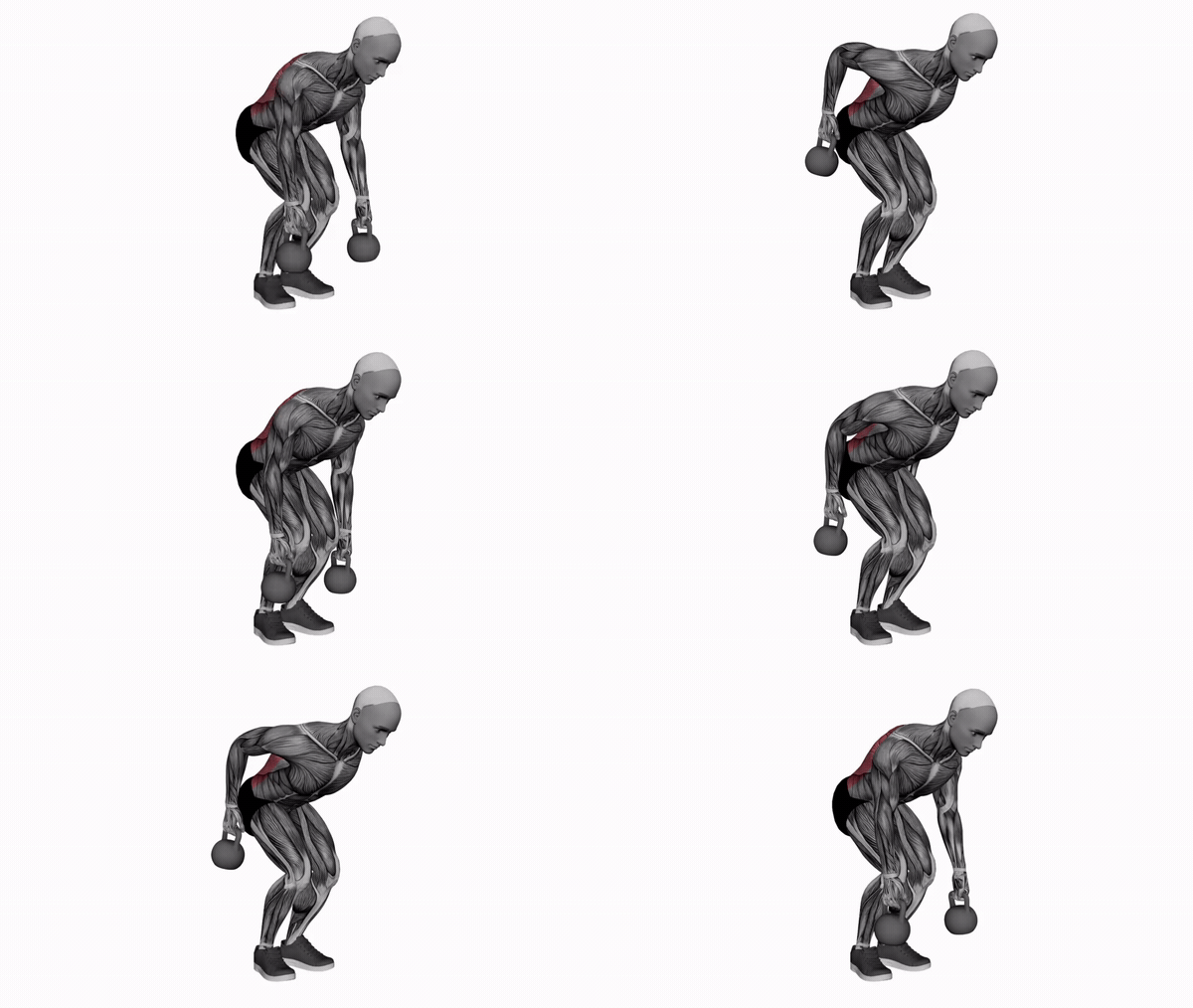
Pull demonstration showing the muscles worked
If the push is what you do to the world, the pull is what puts you back together. It's the movement that builds your back, opens up your chest and shoulders, and quietly undoes the hunched-forward posture that phones, desks, and steering wheels give all of us.
This is the fourth of five posts on the movements every body should own, at any age. We've covered the squat, the hinge, and the push — today it's the pull.
What it is
A pull is bringing weight toward you. Like the push, it works in two directions: horizontal — rows of every kind — and vertical, pulldowns and pull-ups. Rowing a dumbbell, pulling a resistance band to your ribs, doing an assisted pull-up: all pulls.
Why it matters
The pull is the balance to all that pushing. Most of daily life — typing, driving, scrolling, carrying — rounds you forward, and pulling is the antidote. It builds the muscles of your upper back, helps protect your shoulders, and pulls you back into an upright, open posture. Strong pulling is a big part of what keeps you standing tall instead of folding forward as the years add up.
How to do it well
Set your shoulders first: think about drawing your shoulder blade back and down before your arm moves. Then lead with your elbow, not your hand — pull the elbow back and let the hand simply come along for the ride. Squeeze your back muscles at the end of the pull, then lower under control. Keep your torso steady; don't rock your whole body to move the weight.
The cue that fixes most pulls: start from your back, not your arms. If you feel it only in your biceps, the big muscles of your back aren't doing their job yet.
The most common mistake
The classic error is yanking with the arms and shrugging the shoulders up toward the ears — turning a back exercise into an arm-and-neck exercise. Slow it down, set the shoulder blade first, and initiate the movement from your back. If your shoulders are climbing toward your ears, lighten the load until you can keep them down and back.
Where to start
You don't need a pull-up bar to start pulling well. A resistance band anchored to a door, a single-dumbbell row with a hand braced on a chair, or a cable row all let you build the pattern safely. The right version — and how much — depends on your shoulders and how you actually move today.
A Movement & Strength Assessment finds your real starting point, then builds the program from there — no guessing, no generic template. Book yours at forgestrengthlab.as.me.
Want all five patterns in one place? Grab the free guide — The 5 Movements Every Body Should Own — a free, instant download.
