
The Hinge: The Movement That Protects Your Back for Life
Movement Library · Post 2 of 5
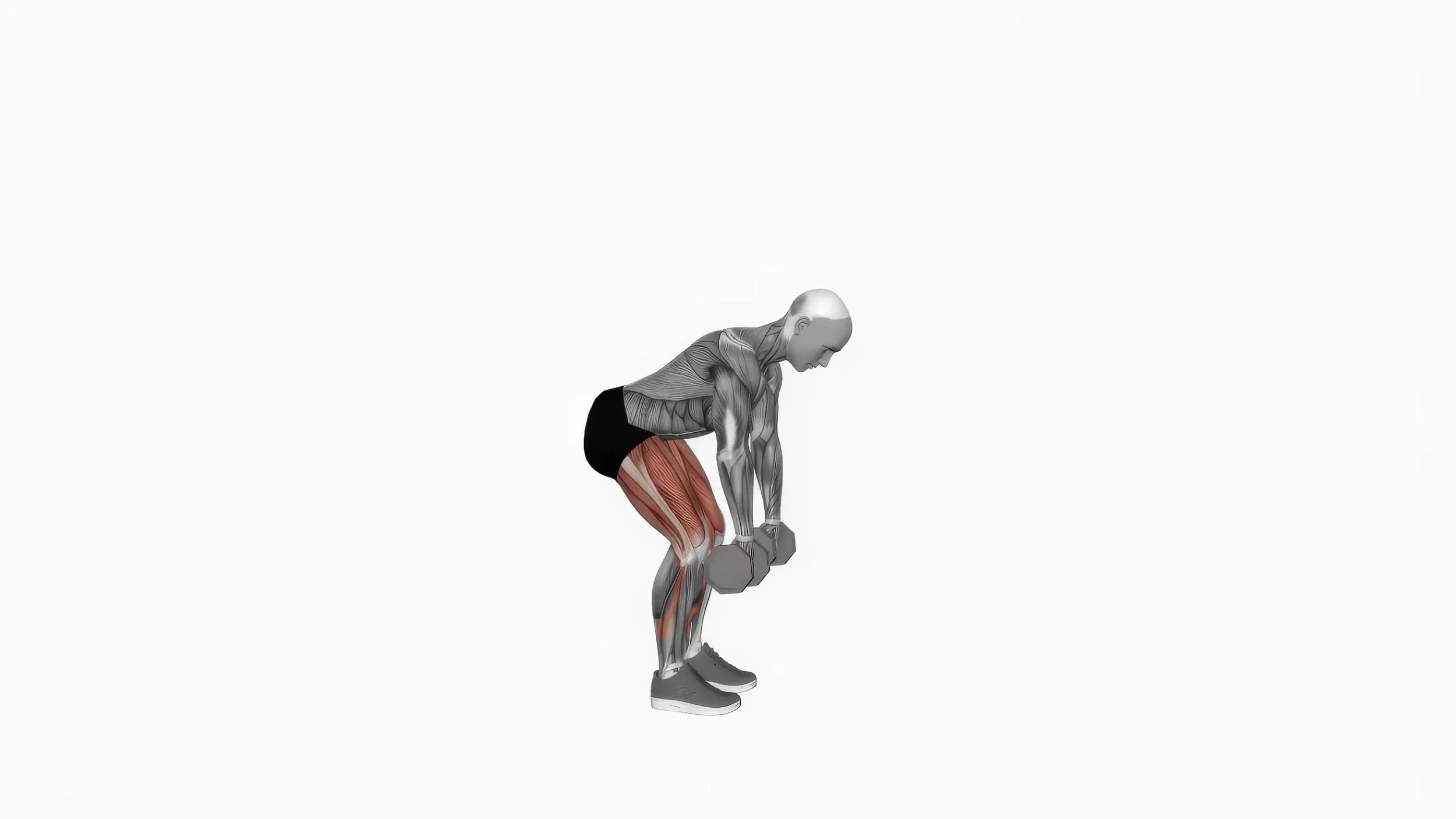
Hinge demonstration showing the muscles worked
The hinge is how you bend down and pick things up — and done right, it's the single most protective thing you can teach your body. Done wrong, it's how most back tweaks happen. So of the five movements every body should own, this is the one worth slowing down for.
This is the second of five posts on the movements every body should own, at any age. Last time we covered the squat; today it's the hinge.
What it is
A hinge is bending at your hips, not your back. Your hips travel backward while your spine stays long and flat, then you drive your hips forward to stand back up. The Romanian deadlift, the good morning, the kettlebell swing, and the classic deadlift are all hinges. So is picking a bag of groceries up off the floor — whether you do it well or not.
Why it matters
This is the most protective pattern there is for your back. It teaches you to lift with your hips and hamstrings — big, strong muscles built for the job — instead of loading your spine. Get it right and you protect your low back every single time you pick something up, for the rest of your life. It also builds your entire posterior chain: glutes, hamstrings, and back — the muscles that keep you upright, powerful, and standing tall as the years go on.
How to do it well
Stand with your feet about hip-width apart and a soft bend in your knees. Push your hips straight back — like you're closing a car door with your backside — and let your torso tip forward while your spine stays long and flat. You should feel a stretch build in your hamstrings. Go as far as you can without your back rounding, then drive your hips forward to stand tall, squeezing your glutes at the top.
The cue that fixes most hinges: hips back, not down. A hinge is not a squat — the movement happens at your hips traveling backward, not your knees dropping.
The most common mistake
Two things go wrong: rounding the back, or turning the hinge into a squat. If your lower back rounds, you've pushed past your range — shorten it until your spine stays flat. If your knees drift forward and your hips drop straight down, you're squatting, not hinging. Keep the knees quiet and send the hips back.
Where to start
If the hinge feels awkward at first, that's completely normal — it's the pattern most people were never actually taught. Start light: practice with just your bodyweight, hands sliding down your thighs, or hold a broomstick along your spine so you can feel the moment your back starts to round. The right load and the right version for your body depend on how you actually move today.
A Movement & Strength Assessment finds your real starting point, then builds the program from there — no guessing, no generic template. Book yours at forgestrengthlab.as.me.
Want all five patterns in one place? Grab the free guide — The 5 Movements Every Body Should Own — a free, instant download.
